2026-10-07 · Mark Hayes
Foundation Cracks in Oklahoma City: When to Worry and When to Wait
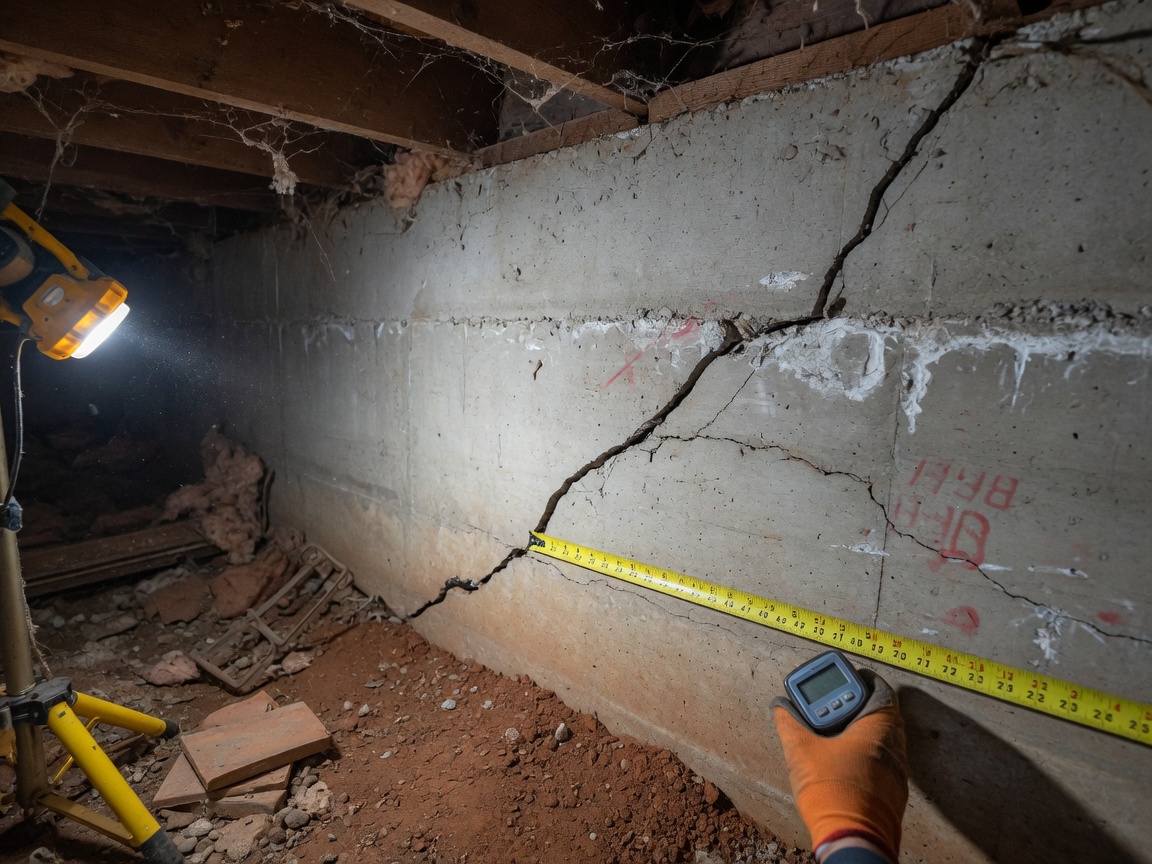
In Oklahoma City, worry about foundation cracks wider than 1/4 inch, horizontal or stair-step patterns, or those near doors and windows that stick, especially after heavy rains in Oklahoma County. Hairline cracks under 1/8 inch in older brick homes in Midtown or The Village usually call for monitoring only if they stay stable over multiple seasons.
Common Types of Foundation Cracks in Oklahoma City Homes
Older homes built before 1970 in neighborhoods such as Automobile Alley and Deep Deuce often show vertical cracks from initial settling on expansive clay soils common across Oklahoma County. These typically measure under 1/8 inch and remain stable unless water accumulates. Horizontal cracks appear more in post-1980s slab homes in Moore and Midwest City when soil swells during warm humid summers then contracts in cold winters. Stair-step cracks along brick mortar lines frequently develop in Bricktown and Capitol Hill properties after repeated freeze-thaw cycles. Each pattern ties directly to how local thunderstorms dump several inches of rain quickly, pushing moisture against foundations and accelerating movement in pier and beam setups common throughout the metro.
How Oklahoma's Weather Influences Crack Formation
Warm humid summers followed by cold winters create repeated soil expansion and contraction that stresses foundations in areas like Warr Acres and Bethany. Severe thunderstorms, which hit Oklahoma County several times each spring and fall, send water rushing toward crawl spaces and slabs faster than soil can drain. Homes near the Oklahoma State Capitol or Myriad Botanical Gardens sit on clay that holds moisture longer, widening existing cracks over 3–5 years. Properties in Stockyards City and Del City face added pressure from runoff along older streets with limited grading. These cycles explain why cracks that look minor in dry months can widen noticeably after a single wet season, particularly in neighborhoods with mature trees whose roots pull additional moisture from the ground.
When Cracks Signal Immediate Concern
Measure any crack that reaches 1/4 inch wide or shows recent movement by marking it with tape and checking monthly. Horizontal cracks longer than 6 inches or those accompanied by bowing walls demand prompt evaluation because they indicate lateral soil pressure from poor drainage after storms. Doors that begin rubbing or floors that slope more than 1 inch over 10 feet in homes in Nichols Hills or Piedmont point to active foundation shift. In these cases, tying the issue to crawl space moisture often reveals the need for pier and beam foundation repair before damage spreads to framing. Waiting risks further separation at windows and increased repair scope once winter freezes arrive.
Situations Where Monitoring Is Sufficient
Cracks under 1/8 inch that show no change after two full seasons of Oklahoma weather usually need only seasonal checks. Many 1950s–1960s homes in The Village and Choctaw display these stable lines from original construction settling and require no intervention if gutters direct water away from the foundation. Document length and width with photos each spring and fall, noting any correlation with rainfall. If the crack stays the same after multiple storms, the structure has likely reached equilibrium with local soil conditions. This approach avoids unnecessary work on homes where minor movement has already stabilized.
Practical Next Steps for Oklahoma City Homeowners
Start by inspecting the crawl space for standing water or soft soil after rain, then check exterior grading around the perimeter. Homes in Edmond and Norman benefit from ensuring downspouts extend at least 5 feet from the foundation to reduce moisture load. When cracks coincide with musty odors or sagging floors, review related issues such as gaps between floor and wall that often appear together. Contact a local crew at 3121 N Pennsylvania Ave for an on-site assessment during business hours of 8am–6pm daily. This measured process separates routine Oklahoma County settling from problems that need targeted repair before the next thunderstorm season.