2026-10-07 · Mark Hayes
Gaps Between Your Floor and Wall: When to Worry in Oklahoma City
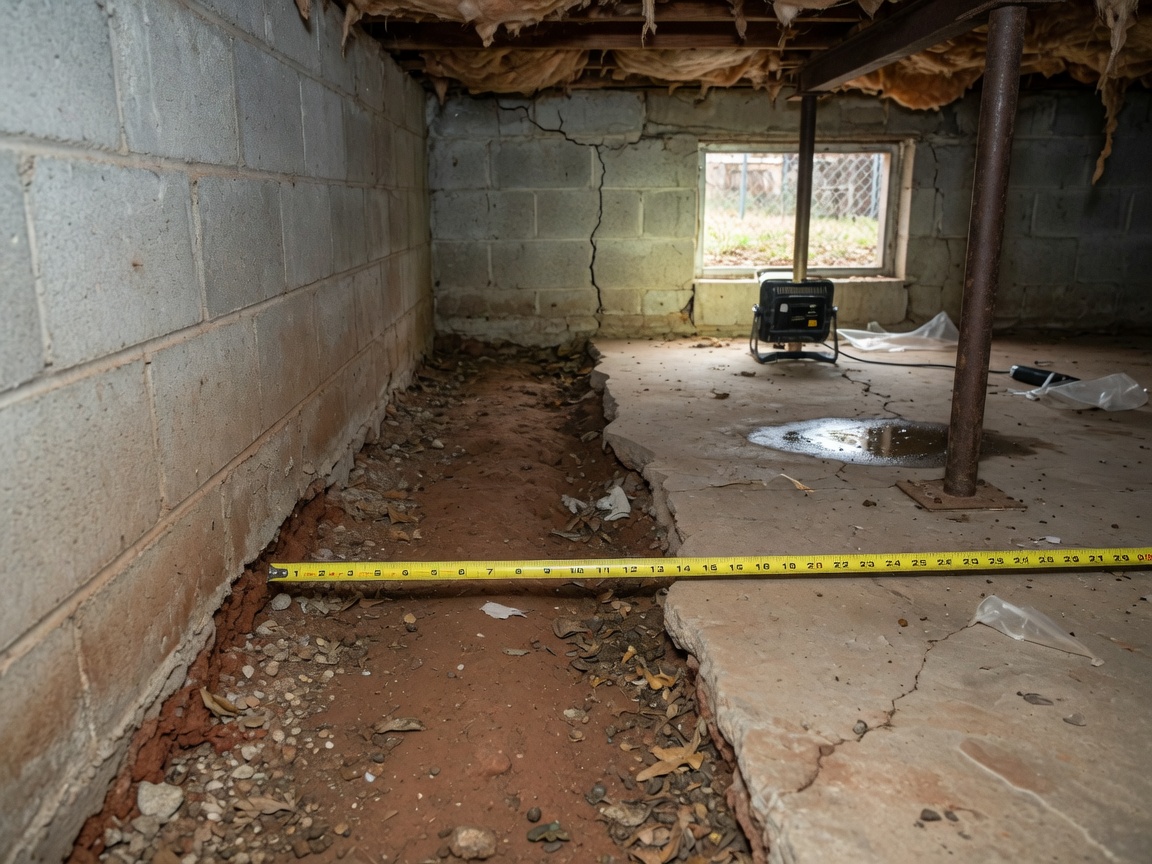
Gaps wider than a quarter inch that appear in multiple rooms or worsen after storms usually signal the need for a foundation check in Oklahoma City crawl spaces. Pier and beam homes built before the 1980s in places like Midtown, Capitol Hill, and The Village sit on clay soils that expand when saturated and shrink during dry stretches, causing beams to settle unevenly. Warm humid summers followed by cold winters with frequent severe thunderstorms speed up this cycle, especially near the Oklahoma State Capitol and in Bricktown where older stock dominates. Homeowners in Moore, Edmond, and Midwest City see the same pattern because the red clay common across Oklahoma County reacts the same way to moisture swings.
How Oklahoma Soil and Weather Create Floor Gaps
Oklahoma County clay expands several inches when it soaks up rain from spring and summer thunderstorms, then contracts sharply once the ground dries. This repeated push and pull lifts or drops pier supports under the beam structure, leaving a noticeable gap where the floor meets the wall. Homes in Deep Deuce, Automobile Alley, and Stockyards City often sit on lots with poor drainage that keeps water pooled near the foundation longer. The same soil behavior shows up in nearby Norman and Del City because the geology does not change at city limits. A single heavy storm can add enough moisture to restart movement that had been stable for years.
Signs That Warrant a Professional Look
Track the gap over a few weeks after a wet period. If it grows, or if doors begin to stick and drywall cracks appear near the same wall, the beam system has likely shifted. Measure at the same spot each time and note whether the separation stays on one side of the house or spreads. In Warr Acres and Bethany, many 1950s and 1960s homes already show this pattern because their original piers rest on soil that was never compacted to modern standards. Multiple gaps in one room usually mean more than one pier needs attention rather than a simple cosmetic fix.
Practical Steps Before Calling for Repair
Start by checking the crawl space for standing water or soft soil around the piers after rain. Look for mold on the beams or sagging subfloor boards directly above the gap. These observations help narrow whether the issue is drainage, a failing vapor barrier, or actual pier movement. Owners in Nichols Hills and Piedmont often find that adding proper grading around the perimeter stops the cycle before piers require adjustment. Keep records of the gap size and any weather events so the assessment moves faster once a crew arrives.
Repair Approaches Common in Oklahoma City
When movement is confirmed, crews often start with pier and beam foundation repair to re-support settled beams without disturbing the rest of the structure. In many Midtown and Capitol Hill homes this involves installing adjustable steel piers beside the original wood ones. Crawl space encapsulation follows in homes where moisture continues to drive soil changes, sealing the ground and walls so humidity stays controlled year-round. The article Why Is Oklahoma Soil Red, and What Does It Mean for Your Crawl Space? explains the mineral content that makes local clay so reactive. Homes in Moore and Midwest City sometimes need both steps because the combination of age and soil type accelerates damage once gaps appear.
What to Expect on a Typical Job
An assessment usually takes one to two hours and includes measuring beam levels and checking pier condition from inside the crawl space. Repairs on a 1,200-square-foot home in The Village or Del City commonly involve four to eight new piers plus any needed beam sistering. Work happens from the crawl space so finished floors stay intact. After the piers are set, crews often recommend a dehumidifier or improved drainage to keep future movement in check. Scheduling during drier winter months can shorten the timeline because the ground is more stable for leveling measurements.
Crawl Space Repair Heroes Oklahoma City operates from 3121 N Pennsylvania Ave, Oklahoma City, OK 73112 and stays available Monday through Sunday from 8am to 6pm for assessments in Oklahoma County and surrounding communities.