2026-10-07 · Mark Hayes
Why Is Oklahoma Soil Red, and What Does It Mean for Your Crawl Space?
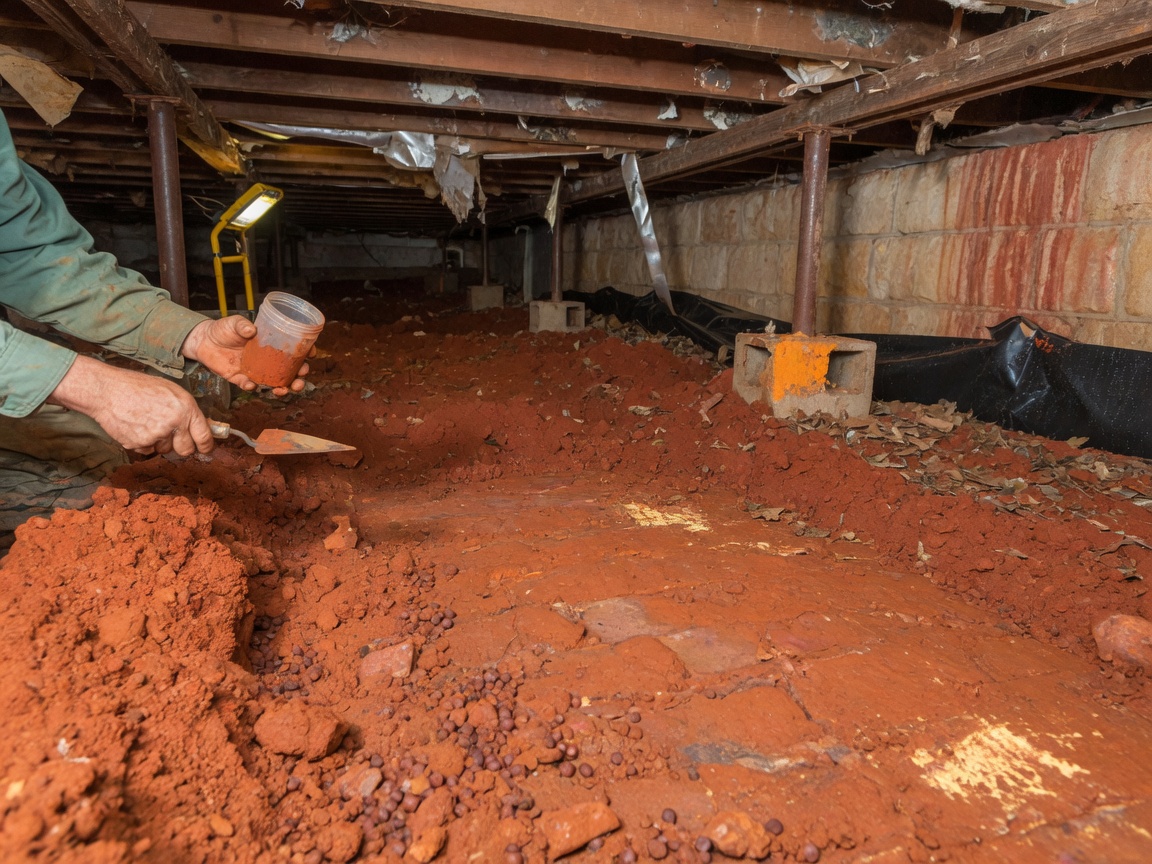
Oklahoma soil is red due to iron oxides that oxidize in the clay-rich ground common across Oklahoma County, and this directly raises crawl space moisture retention and soil expansion risks during the region's frequent severe thunderstorms.
The Science Behind Red Oklahoma Soil
The red color comes from iron compounds in the soil that rust when exposed to air and water. Oklahoma County sits on layers of clay and shale that hold these oxides, especially visible after rain in neighborhoods like Midtown and Capitol Hill. Warm humid summers speed oxidation while cold winters slow it but leave the ground prone to cracking. Thunderstorms dump several inches quickly, and the iron-rich clay stains surfaces while trapping water near foundations. Homes in Bricktown and Deep Deuce often sit on this same soil profile that formed over centuries of prairie conditions. The clay particles are fine and dense, which limits natural drainage compared to sandier soils farther west.
How Red Clay Holds Moisture Near Foundations
Clay particles in red Oklahoma soil swell when wet and shrink when dry, pulling water toward crawl spaces instead of letting it drain away. In Oklahoma City, summer humidity keeps the ground damp for days after a storm, and winter freezes can heave the surface. This cycle pushes moisture vapor upward through vents and dirt floors. Properties in The Village and Warr Acres see this pattern yearly because older pier-and-beam homes have open underfloor areas that collect that rising damp. The result is higher relative humidity levels that promote wood rot on joists and subfloors. Soil tests in these areas routinely show clay content above 40 percent, which explains why water lingers longer than in surrounding counties.
Expansion Risks for Pier and Beam Structures
Red clay expansion exerts pressure on pier-and-beam foundations common in Moore, Del City, and Midwest City. When storms saturate the ground, the soil can lift beams several inches before drying and dropping them again. This movement shows up as uneven floors or doors that stick seasonally. Homes built before 1970 in Automobile Alley and Stockyards City often lack the deeper piers needed for today's clay conditions. Repeated cycles also open gaps where walls meet floors. Pier and Beam Foundation Repair addresses these shifts by installing adjustable supports that handle the soil's natural movement without constant re-leveling.
Practical Monitoring Steps for Homeowners
Check crawl space soil color after each major storm to spot new moisture patterns. Measure humidity with a simple gauge placed on the dirt floor in areas like Bethany and Yukon. Look for white efflorescence on piers, which signals repeated wetting and drying of the iron-rich clay. Note any musty odors that appear within 48 hours of rain. In neighborhoods near the Oklahoma State Capitol, older homes may have original vents that let humid air enter freely. Track these observations over one full year to see how the red soil responds to both summer humidity and winter cold snaps.
When to Consider Encapsulation or Waterproofing
Persistent dampness from red clay often requires crawl space encapsulation to seal the ground and walls against vapor. Waterproofing membranes installed along the perimeter stop lateral water movement during thunderstorms. These steps reduce humidity that the clay naturally holds. Homeowners in Norman and Edmond report fewer seasonal floor issues after encapsulation because the barrier breaks the moisture cycle created by the soil. Combine this with a dehumidifier sized for the space volume to maintain levels below 55 percent year-round.
Related Concerns and Next Steps
Red soil movement can also create gaps between floor and wall that widen after wet periods. Early signs include cracked drywall near baseboards in Midwest City homes. Foundation Cracks in Oklahoma City: When to Worry and When to Wait outlines how to distinguish cosmetic from structural issues tied to clay expansion. Regular inspections every six months help catch changes before they affect the structure above.